
The Financing Process
Demystifying Home Loans
Understanding the mortgage process with confidence
The home loan process can seem complex at first, but with the right guidance, it becomes much more manageable. By working closely with a trusted lender and staying informed from pre-approval through closing, you can navigate each step with confidence. It’s a good idea to speak with one or two mortgage professionals to find someone you trust to guide you effectively. Below is an overview to help you better understand what to expect along the way.
Step One:
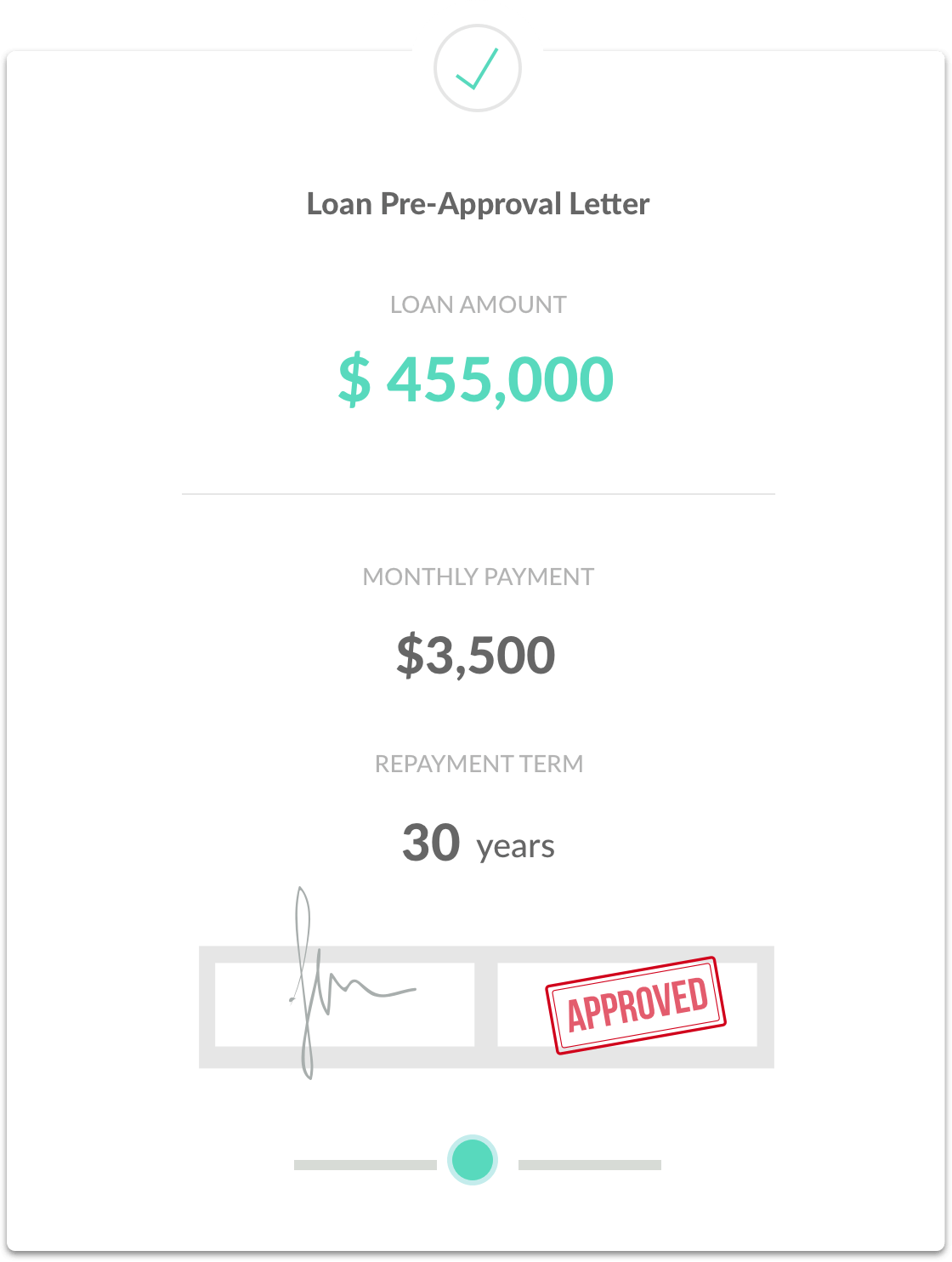
Secure your pre-approval
Before beginning your home search, it’s important to connect with a lender and get pre-approved for a loan. This not only helps you understand your budget but also strengthens your offer when you’re ready to buy—especially in competitive situations where sellers may receive multiple offers.
During pre-approval, your lender will review your financial profile, including your income, assets, and existing debts, to determine how much you qualify to borrow. This process typically involves reviewing documents such as your credit report, W-2s, pay stubs, tax returns, and bank statements.
There are a variety of loan programs available, each with its own advantages. Your lender will walk you through your options to help you choose the one that best fits your financial goals.
ESTIMATE YOUR MONTHLY PAYMENT
Estimate your mortgage payment, including the principal and interest, taxes, insurance, HOA, and Private Mortgage Insurance.
Price
Annual Tax
Loan Term (Years)
Down Payment %
Interest Rate %
Monthly HOA
Monthly Insurance
$3,198.20
Estimated Monthly Payment
Principal
$2,398.20
(75.0%)Taxes
$500.00
(15.6%)HOA
$100.00
(3.1%)Insurance
$200.00
(6.3%)Step Two:
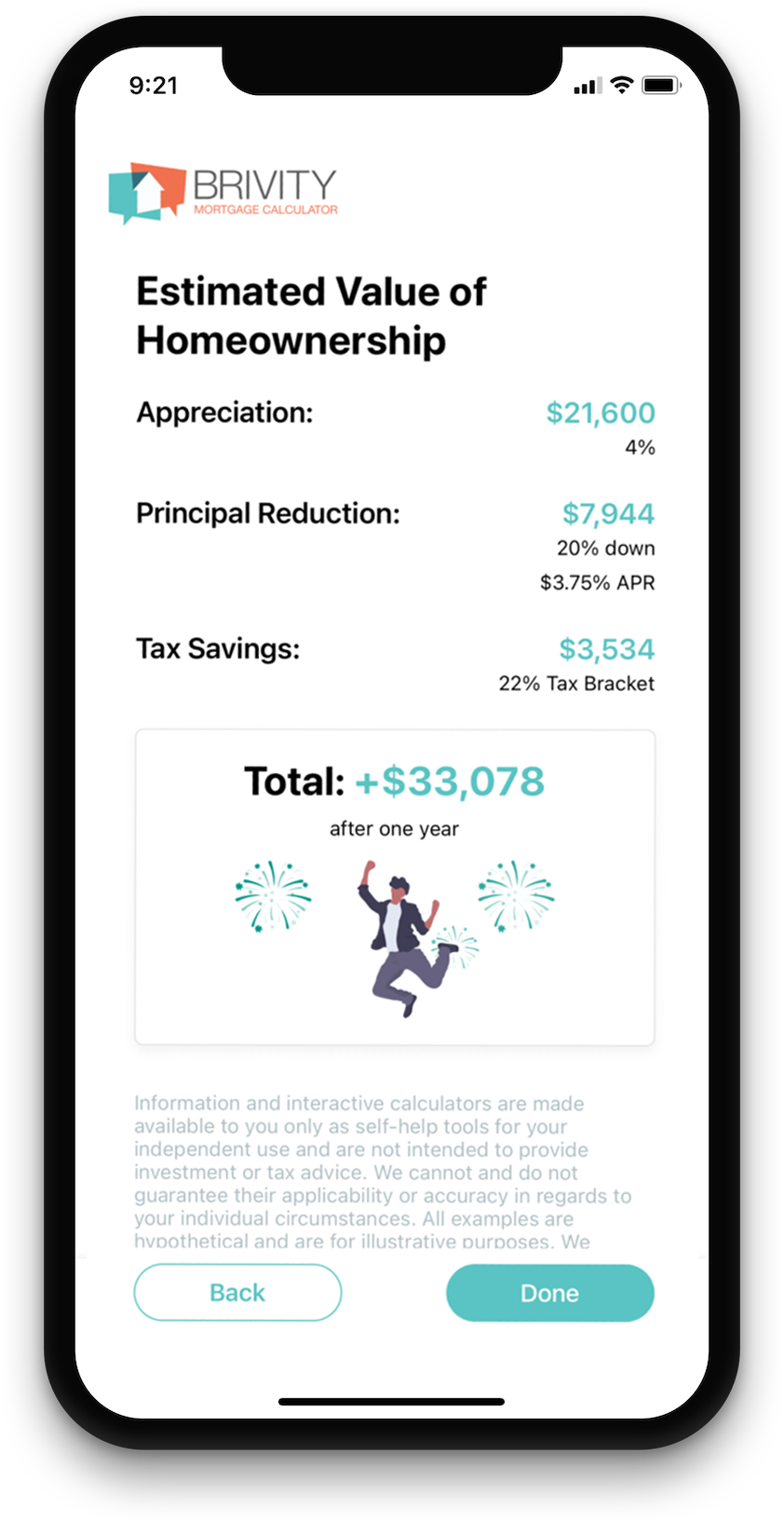
Choose the right loan program
Partnering with an experienced local loan officer gives you access to competitive rates and loan options tailored to your situation. They’ll help you compare programs, explain the details, and guide you toward the best fit based on your needs and long-term plans.
Step Three:
Complete your application and underwriting
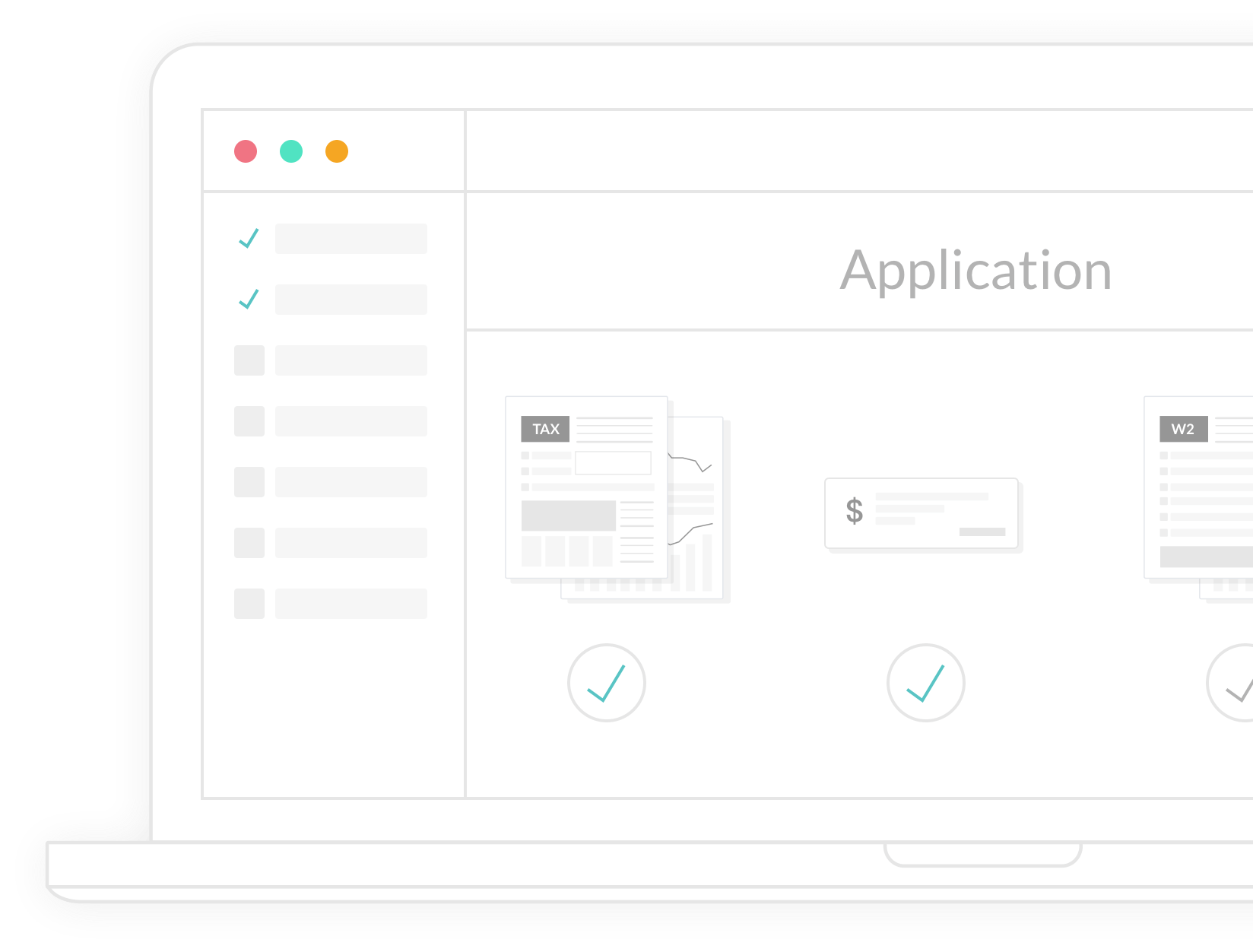
Once you’ve found the right home and your offer has been accepted, the next step is completing your full mortgage application. Your lender will guide you through this process, including discussing down payment options and outlining any associated costs.
From there, your loan enters processing, where all documentation is reviewed in detail. This stage includes ordering an appraisal to confirm the home’s value and conducting a title search to ensure there are no issues with ownership.
Your file is then submitted to underwriting, where it’s carefully evaluated to ensure it meets all lending guidelines. It’s common during this phase for the lender to request additional documentation or clarification—this is a normal part of the process.
Step Four:
Finalize and close on your home
Once your loan receives final approval, you’ll need to secure homeowners insurance in preparation for closing. Your loan documents are then sent to the title company, and your closing appointment will be scheduled.
At closing, you’ll review and sign all necessary paperwork and pay any remaining costs required to complete the purchase. After the documents are recorded, the transaction is officially complete—and the home is yours.